
METU KKTC Campus Rectorate BIM and Library Buildings





- Project Date: 2005
- Location: Güzelyurt/ KKTC
- Client: METU
- Project Team: Tulin Hadi, Cem Ilhan, Zeynep Atas, Atelier M (KKTC)
- Awards: 1st Prize
- Typology:
- Cultural
- Education
- Landscape Architecture
The METU Northern Cyprus Campus Buildings: “Cyprus” is one of the words we’ve become accustomed to hearing most frequently during the period of reconciliation between Turkey and the European Union. Despite the island becoming a key political point of contention between Turkey, Greece, and the EU, life continues on both shores. Northern Cyprus is known to people living in Turkey for its casinos and tourism capacity. Those living in Turkey often accuse those in Northern Cyprus of failing to develop a self-sufficient domestic economy. The Turkish state continues to support Northern Cyprus both politically and financially.
According to recent developments in the political agenda, a new type of settlement has been created in Northern Cyprus: Today, Northern Cyprus hosts five major universities with a total student population of 30,000. Education has become an industry for Northern Cyprus, with the latest contribution coming from the Middle East Technical University (METU), located in Ankara and one of Turkey’s oldest and largest universities.
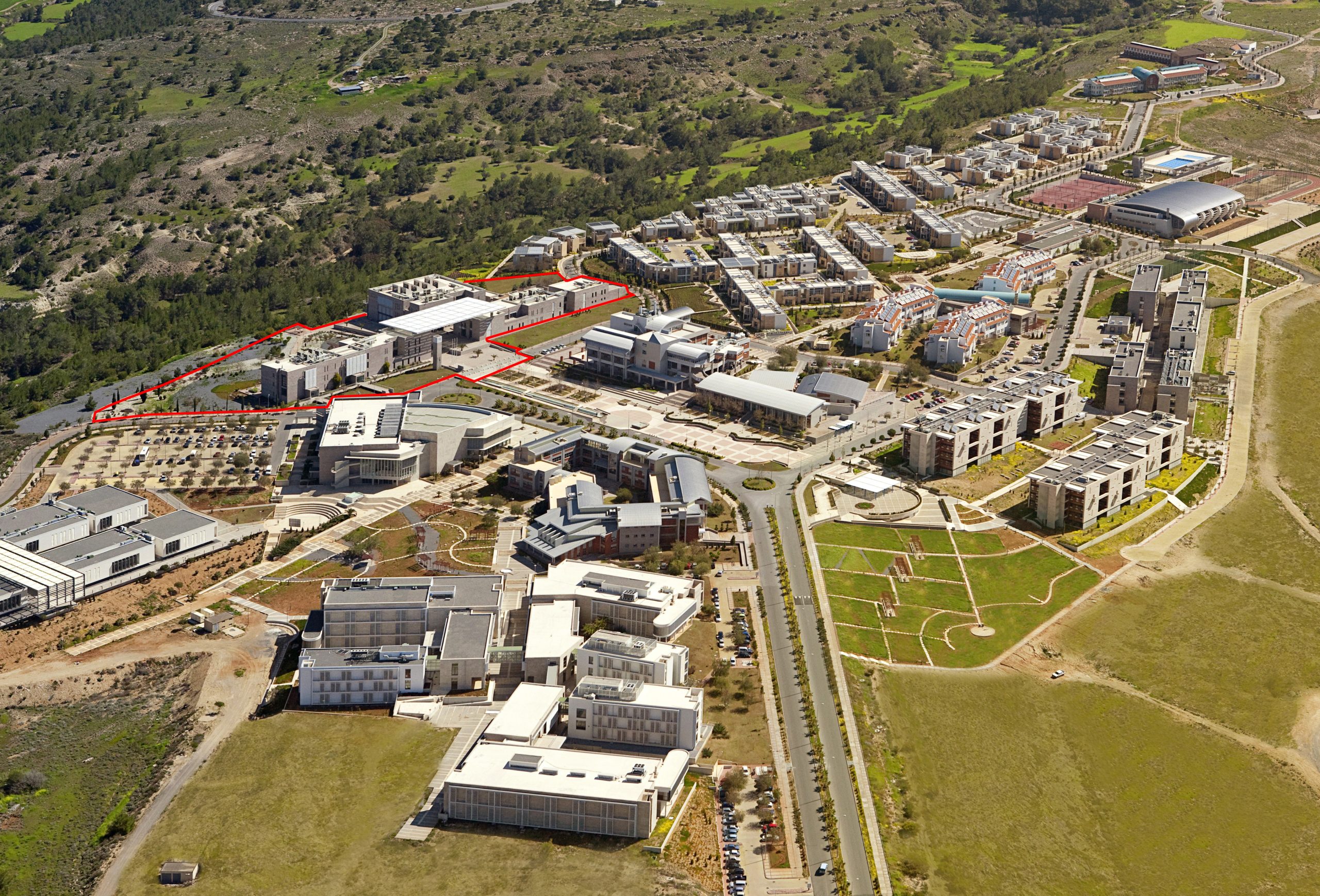
After completing the master plan for the new campus in Güzelyurt, a region of Northern Cyprus, the Department of Urban and Regional Planning at the Middle East Technical University (METU) Faculty of Architecture organized a single-stage, national architectural competition in 2003 to gather proposals for the administration, library, and information technology buildings. This complex, comprising the three main functions, was envisioned as the heart of the campus, attracting the most student and staff circulation. The location allocated for these buildings, overlooking the main square and the entire campus, also offered the prestige sought by the administration. The competition requirements included proposals for relatively low-rise buildings that were compatible with the warm climate, had minimal vertical circulation, and maximized outdoor space utilization. The long, very hot, and humid summer season forced competitors to design the most energy-efficient structures with the fewest construction and feasibility requirements. Relatively strong northerly winds were another major design input for the design teams. The proposals developed the idea of using wind as a fundamental design element.
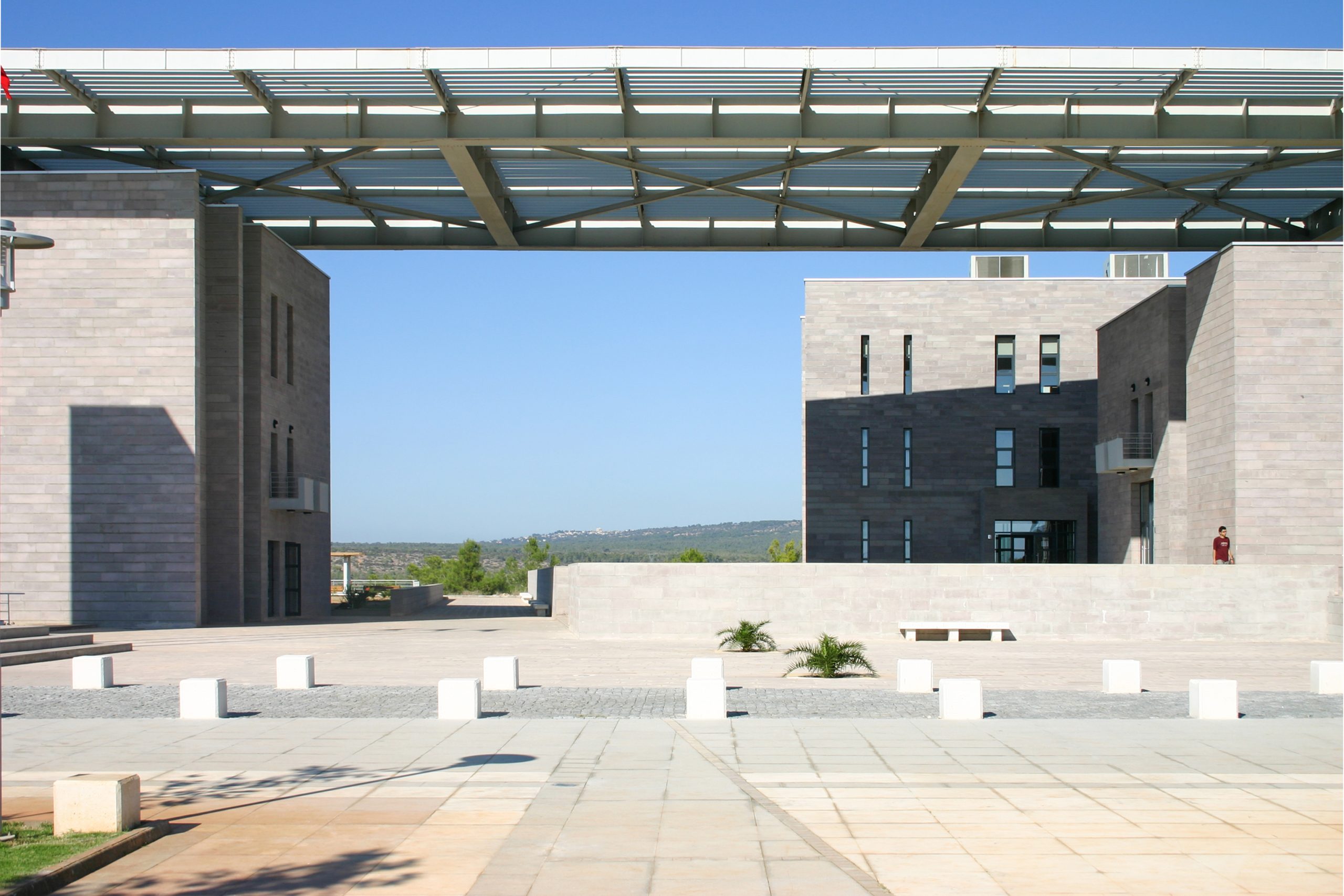
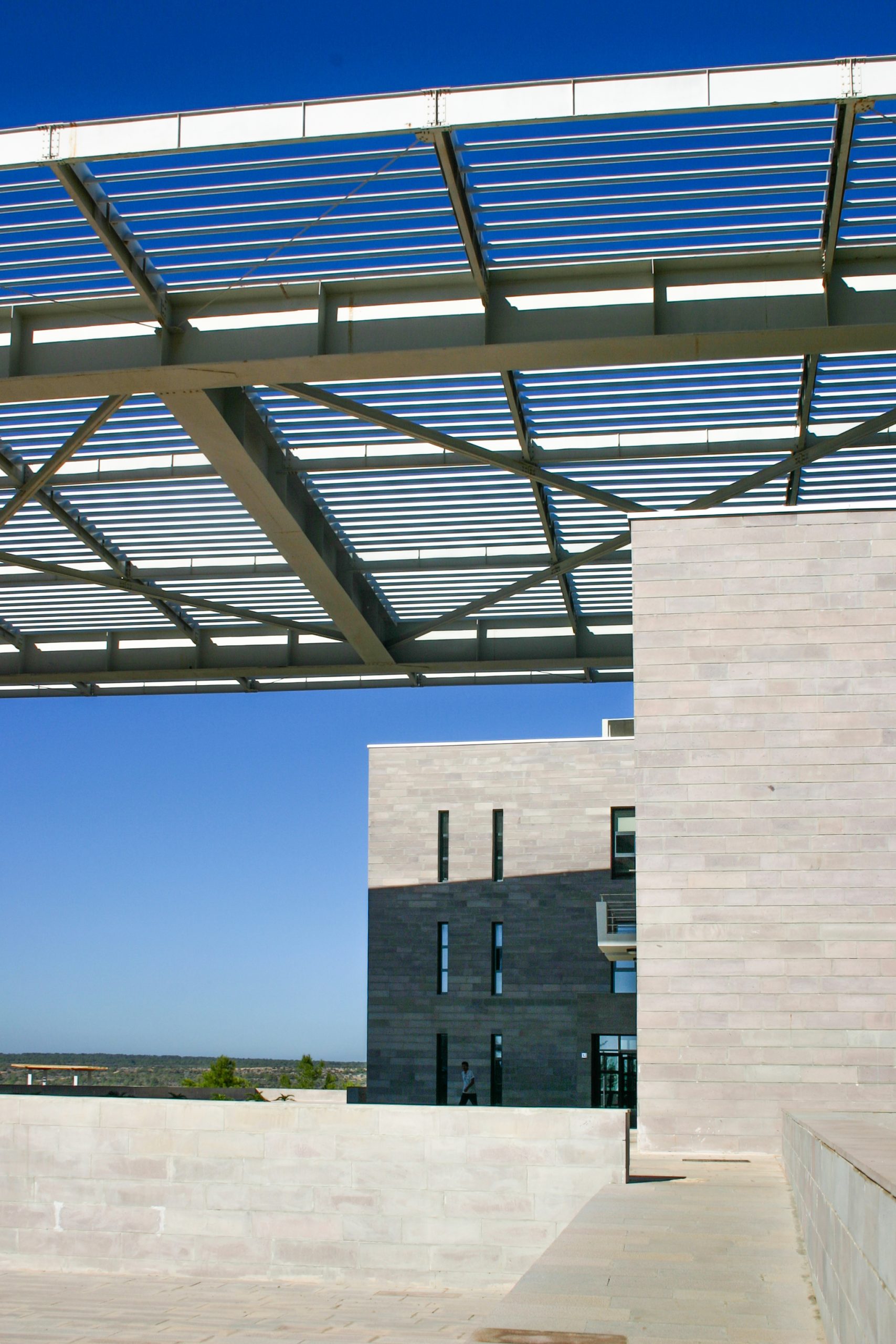
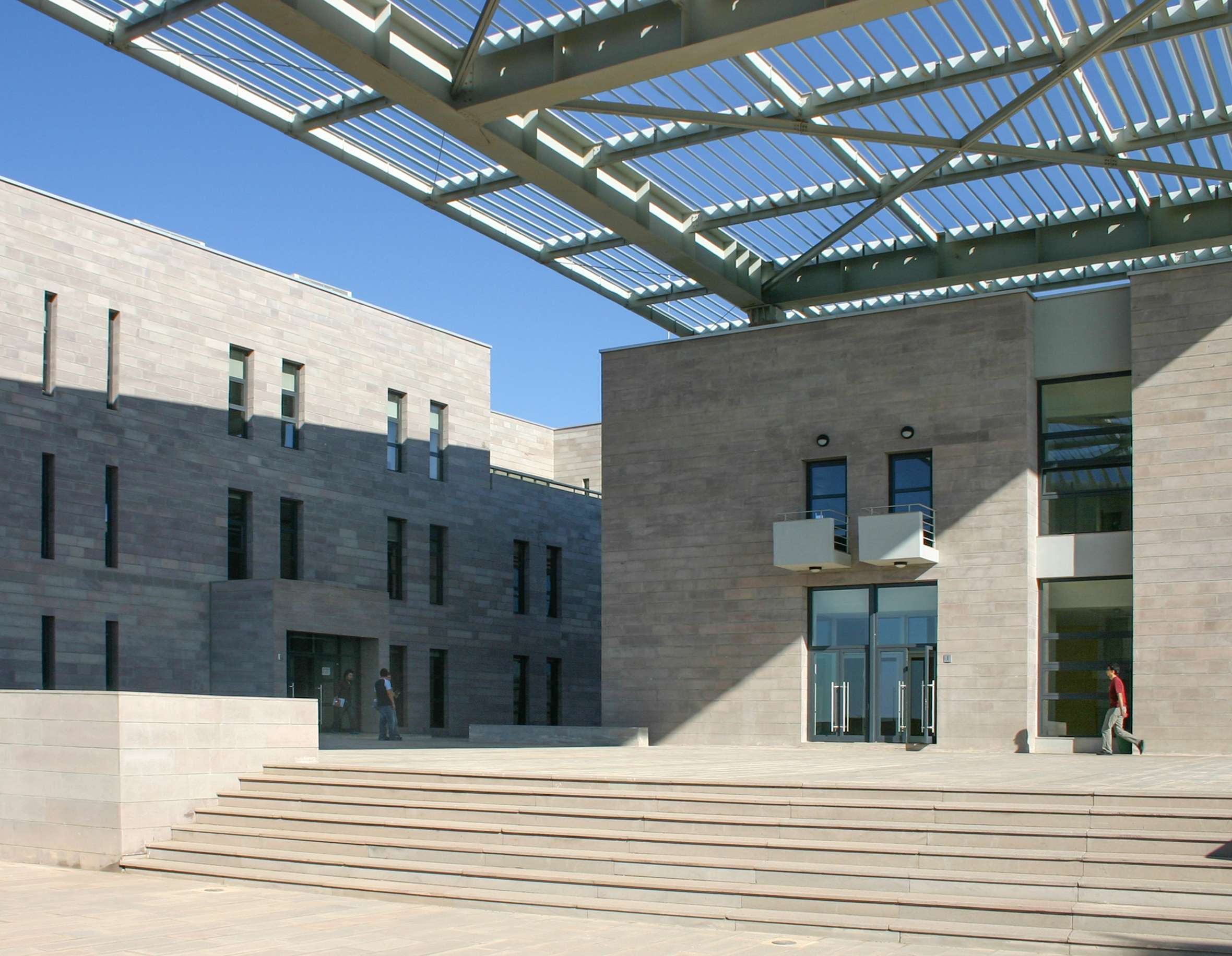
Most of the other competition proposals chose to surround and highlight the main square and pedestrian area with the buildings they proposed. This solution, however, designed a large opening towards the valley to the north. This provided a direction that would attract people under the large canopy on the pedestrian walkway and main square, and then disperse them to the surrounding library and ET buildings.
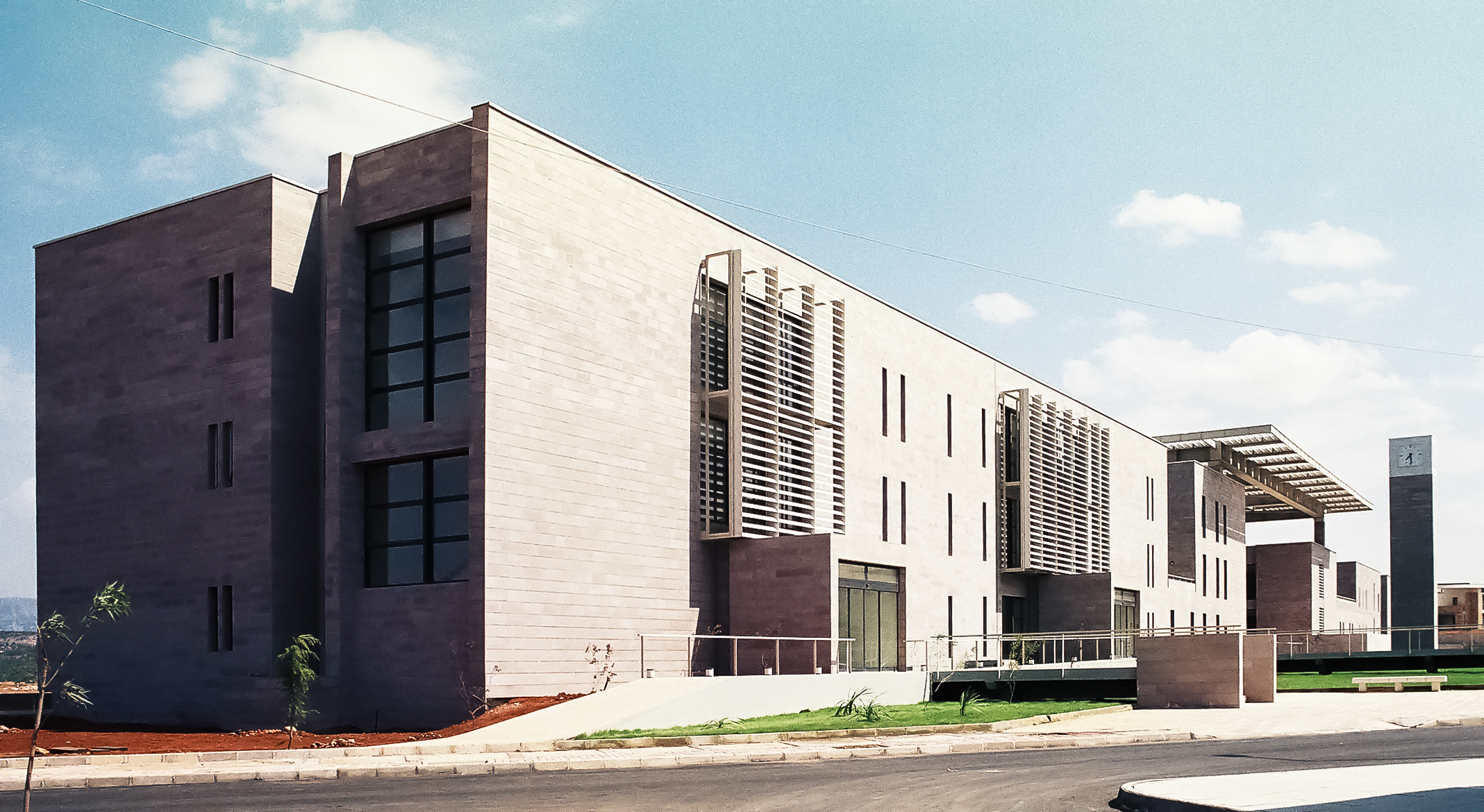
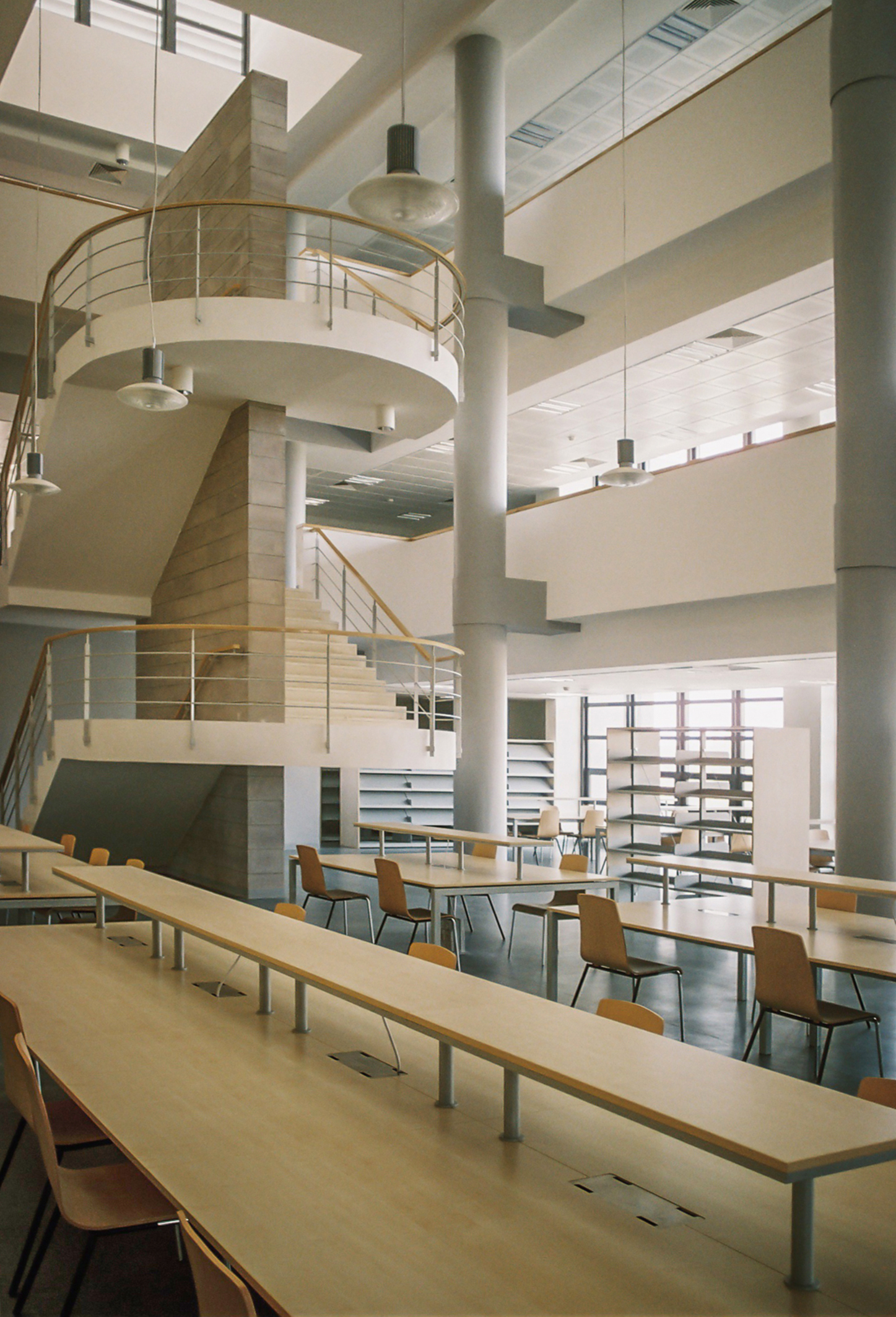
Another important decision was to place a viewing deck on the northern boundary of the site. This deck also transformed the entire square into a large balcony overlooking the valley. Circulation areas are located on the southern sections of the buildings, although this is the front facade considering the courtyard. However, this decision allows the building to benefit from passive climate control and minimize maintenance and operating costs. The vertical, low-rise building interiors were designed to have multi-story voids that interlock as much as possible to overcome monotony.
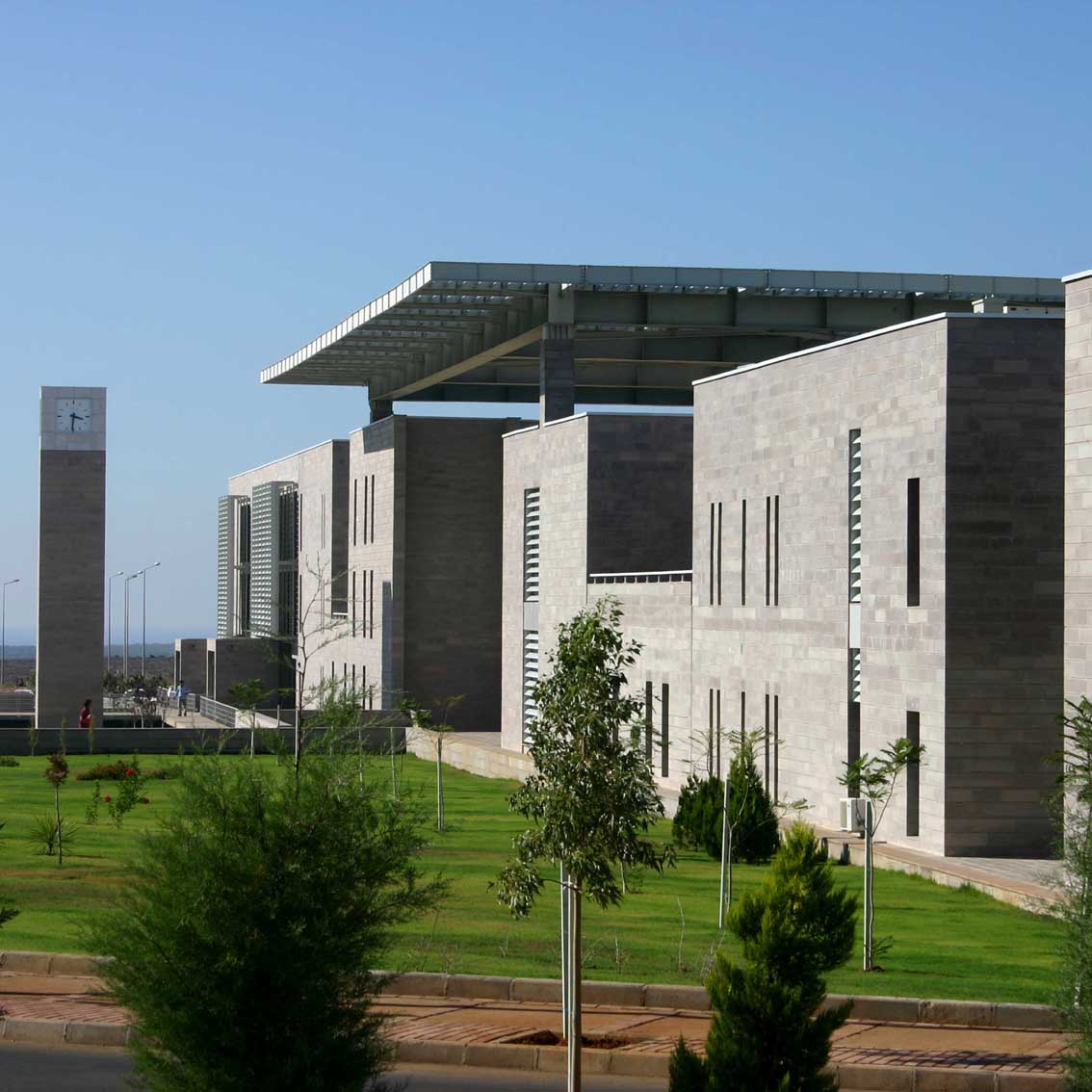
The angular placement of the library is another approach produced to create more dynamic external voids between the buildings. The large canopy separating the administration building from the information technology building creates an attractive outdoor open space for students and staff. Challenging climatic conditions and financial limitations for construction and operation forced the competitors to come up with humble solutions. The design team achieved a solution by cleverly and simply maneuvering through these constraints.